Views: 3 Author: Site Editor Publish Time: 2026-08-04 Origin: Site


Auto car washing machines automate the vehicle cleaning process using high-pressure water, chemical sprays, and drying systems—saving labor costs and time. Small car washing machines like the OKO-100A are compact, fully automated options well-suited for small businesses and low-to-medium traffic sites.
Running a car wash used to mean hiring staff, managing chemicals manually, and hoping the weather cooperated. Not anymore. Fully automatic car washing machines have made it possible to run a profitable, low-maintenance car wash operation with minimal human involvement—even around the clock.
For small business owners exploring the car wash industry, the range of machines on the market can feel overwhelming. Rollover systems, tunnel washers, contactless machines—each type suits a different setup and budget. This guide breaks down what auto car washing machines actually do, what to look for in a small car washing machine, and how a model like the OKO-100A fits into the picture.
An auto car washing machine guides vehicles through a multi-step cleaning process without manual scrubbing. At the core, these machines combine high-pressure water jets, chemical dispensing arms, and air drying systems to clean a vehicle from bumper to bumper.
Modern machines—especially contactless models—go further. They use rotating mechanical arms to spray car wash liquid, maintenance shampoo, and protective coating in precise, programmed sequences. Some systems include chassis flushing, bright color coating, and embedded quick-dry fans.
The result: a thorough, consistent wash in 4–8 minutes, with no staff required at the point of service.
Not every business needs a 60-meter tunnel wash system. For many operators—petrol stations, small car parks, standalone car wash bays—a compact, fully automatic rollover or rotating arm machine is the smarter investment.
Here's how they compare:
Feature | Small Car Washing Machine | Large Tunnel System |
|---|---|---|
Footprint | Compact (e.g., 6.3m × 3.2m) | Large (20m+ in length) |
Throughput | 20–40 cars/hour | 60–120+ cars/hour |
Labor required | Minimal to none | Requires attendants |
Setup cost | Lower | High |
Best for | Small businesses, low-medium traffic | High-volume commercial sites |
Wash modes | Standard & maintenance programs | Multiple lanes and programs |
Unmanned operation | Yes (with smart payment) | Partial |
For small business operators, the compact footprint and lower overhead of a small car washing machine make it the more practical starting point.
Before purchasing any machine, it's worth knowing which features separate a reliable system from an underperformer.
Brush-based machines can scratch paintwork over time, which frustrates customers. Contactless machines use high-pressure water jets and rotating spray arms instead of physical brushes—delivering a thorough clean without touching the vehicle's surface directly.
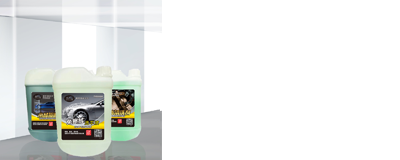
A smart liquid proportioning system automatically mixes car wash liquid, shampoo, and protective coatings at the right ratios. This eliminates waste, reduces chemical costs, and removes the need for manual mixing.
A good auto car washing machine includes multiple layers of collision protection. Look for models that combine electronic, mechanical, and sensor-based systems—this matters especially for unmanned 24-hour operations.
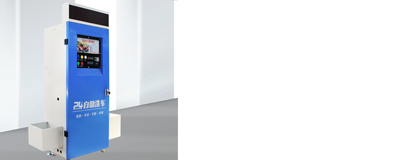
For self-service or unmanned setups, optional smart payment features (such as QR-code or license plate recognition) allow customers to pay and start a wash without staff involvement. This is a significant advantage for small operators looking to run lean.
Different customers have different needs. A machine that offers at least two wash modes—a quick standard wash and a longer maintenance wash with coating—covers more use cases and justifies higher price points.
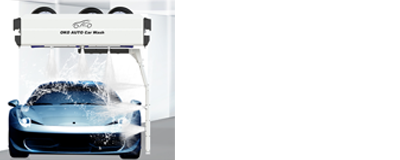
The OKO-100A is a fully automatic, contactless car washing machine from OKO, a Chinese auto equipment company founded in 2019. It uses a 360-degree rotating spray arm system to deliver consistent pressure and coverage across the entire vehicle body.
Here's a snapshot of its specifications:
Specification | Detail |
|---|---|
Model | OKO-100A |
Power | 380V / 11KW |
Water pump | PINEL (Germany) |
PLC controller | OKO |
Electrical components | Schneider (France) |
Flushing pressure | 50–100 kg |
Water consumption per wash | 90–200 liters |
Machine dimensions (L×W×H) | 6.3m × 3.2m × 3.2m |
Wash time (standard) | 4–6 minutes |
Wash time (maintenance) | 6–8 minutes |
Warranty | 1 year |
The OKO-100A supports two wash programs. The Standard Wash (4–6 minutes) suits cars washed within the past week and prioritizes speed. The Integration of Wash and Maintenance program (6–8 minutes) is designed for vehicles with heavier dirt buildup—it combines high-pressure cleaning with protective coating application, making it the better choice for customers who care about paint preservation.
The machine's washing sequence includes chassis flushing, atomized car wash liquid spray, 360° shampoo foam application, high-pressure body rinse, bright-color coating, and quick-dry fan drying. All steps are automated via PLC control.
Optional upgrades include smart payment via WeChat Pay and Alipay, and license plate recognition for a fully frictionless customer experience.
Space planning is one of the most overlooked parts of buying a car washing machine. The OKO-100A, for example, requires:
Exit pattern site: 4m × 9m
Pass-through pattern site: 4m × 6.5m
Machine room: 2m × 3m (customer-supplied), with three-phase 11KW power, a 100A leakage switch, water inlet, and a 3KW air compressor
These are relatively modest requirements compared to tunnel systems—but they still demand careful planning before installation. Operators should factor in drainage works, water tank placement, and electrical infrastructure, as these are typically not included in the base machine cost.
An auto car washing machine makes financial sense if:
You're operating or planning a self-service or unmanned car wash bay
You want to reduce labor costs without sacrificing wash quality
Your site has a medium daily vehicle throughput (20–80 cars per day)
You have access to three-phase power and adequate water supply
A large tunnel system is a better fit if you're running a high-volume site with 100+ vehicles per day and have the capital and space to support it.
Auto car washing technology has matured quickly. Machines that once required full-time operators can now run 24 hours a day, handle payment autonomously, and deliver consistent results wash after wash.
For small business operators, a compact auto car washing machine—like the OKO-100A—offers a genuine path to a low-overhead, high-consistency operation. The upfront investment is lower than a tunnel system, the footprint fits most commercial bays, and the automation handles the heavy lifting.
If you're evaluating options, start by mapping your site dimensions, daily volume estimates, and power availability. From there, matching the right machine to your setup becomes a much simpler decision.
A contactless car washing machine uses high-pressure water jets and spray arms to clean vehicles without physical contact. A brush machine uses rotating foam or cloth brushes. Contactless systems reduce the risk of paint scratches, though brush machines can be more effective on heavily soiled vehicles.
Pricing varies by brand, features, and region. Entry-level rotating arm machines designed for small businesses typically start in the range of $15,000–$40,000 USD. Costs for installation, site preparation, drainage, and electrical work are usually additional.
Most compact auto car washing machines can process 20–60 cars per day in a standard self-service setup. Throughput depends on wash program duration, site layout, and whether the machine runs unmanned outside business hours.
Yes. Many modern machines—including the OKO-100A—support fully unmanned 24-hour operation when equipped with smart payment and license plate recognition options. The PLC-controlled system handles the entire wash sequence automatically.
Most machines require three-phase electrical power (typically 11KW), a water supply with adequate pressure and volume, a drainage system, and compressed air (usually via an on-site air compressor). Exact requirements vary by model.


Add