Views: 5 Author: Site Editor Publish Time: 2026-02-26 Origin: Site


Car wash businesses are shifting toward automation, and touchless car wash machines are leading the charge. These systems use high-pressure water jets and specialized cleaning solutions instead of brushes or cloths, reducing the risk of paint damage while delivering consistent results. But with various models available and prices ranging from a few thousand to tens of thousands of dollars, how do you choose the right one?
This guide answers the most common questions about touchless car wash machines, including pricing, features, and what to consider before making a purchase. Whether you're opening a new car wash or upgrading your existing equipment, this information will help you make an informed decision.
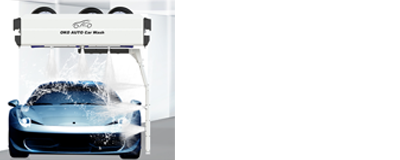
A touchless car wash machine cleans vehicles without physical contact. Instead of brushes or foam applicators, it relies on high-pressure water systems and chemical solutions to remove dirt, grime, and road salt. This approach minimizes the risk of scratching or damaging a vehicle's paint, making it particularly appealing to owners of luxury or newly painted cars.
Modern touchless systems incorporate intelligent sensors to detect vehicle dimensions, adjustable spray patterns for thorough coverage, and automated chemical proportioning to ensure optimal cleaning performance. Many models also include chassis washing, water recycling capabilities, and energy-efficient components.
The touchless car wash machine price varies based on features, capacity, and manufacturer. Here's a general breakdown:
Machine Type | Key Features |
|---|---|
Basic Entry-Level | Standard cleaning functions, manual controls, minimal automation |
Mid-Range | Automated programs, intelligent sensors, energy-saving systems |
High-End Commercial | Advanced AI controls, recycling systems, mobile payment integration, chassis wash |
For example, the OKO-100B touchless car wash machine falls into the mid-range category, offering intelligent collision prevention, automatic chemical proportioning, and 24-hour unmanned operation capability. These features justify the investment for operators seeking reliability and efficiency.
Additional costs to factor in include installation, site preparation, water and electrical connections, and ongoing maintenance. Budget accordingly to avoid surprises during setup.
Not all touchless car wash machines offer the same capabilities. Prioritize these features based on your business needs:
Intelligent Automation
Look for systems with programmable wash cycles, automatic chemical mixing, and vehicle detection sensors. These features reduce labor costs and ensure consistent cleaning quality.
High-Pressure Water System
The cleaning power depends on water pressure, typically ranging from 50-100 kg. Higher pressure removes stubborn dirt more effectively but requires proper adjustment to avoid damage.
Safety Features
Electronic and mechanical collision prevention systems protect both vehicles and equipment. Smart sensors should detect vehicle height and width to adjust spray patterns accordingly.
Energy Efficiency
Frequency conversion systems and energy-saving modes reduce operational costs. Some machines use as little as 90-200 liters of water per wash, compared to 300+ liters for traditional systems.
Payment Integration
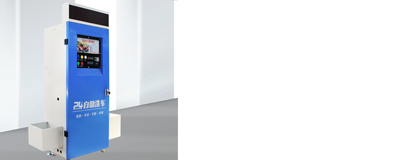
Modern systems support mobile payments (WeChat, Alipay, credit cards) and license plate recognition for automated billing, making 24-hour unmanned operation feasible.
Maintenance Alerts
Built-in diagnostic systems that monitor water levels, chemical supplies, and equipment performance help prevent downtime and extend equipment lifespan.
Several channels offer touchless car wash machines for sale:
Direct from Manufacturers
Purchasing directly often provides better pricing and warranty terms. Companies like OKO offer both equipment and technical support, including remote installation guidance.
Authorized Dealers
Local distributors provide hands-on demonstrations and may offer faster service response times. They often bundle installation and training services.
Online Marketplaces
Platforms like Alibaba, Made-in-China, and industry-specific sites list numerous options. However, verify seller credentials and warranty policies before committing.
Used Equipment Dealers
For budget-conscious buyers, certified pre-owned machines can offer savings of 30-50%. Ensure equipment has been inspected and comes with a warranty.
When evaluating sellers, consider their track record, customer reviews, after-sales support, and parts availability. A reputable supplier should provide detailed specifications, installation guidance, and responsive technical assistance.
Proper installation determines whether your machine operates efficiently or becomes a constant headache. Here are the key requirements:
Physical Space
Most touchless systems need:
Equipment bay: 6.3m × 3.2m × 3.2m (length × width × height)
Vehicle space (drive-through): 8m × 6m × 3.3m
Machine room: 2m × 3m for electrical and water systems
Measure your available space carefully and account for vehicle maneuvering room.
Electrical Requirements
Typical power needs include:
Three-phase electricity: 380V, 11KW minimum
Circuit breaker: 100A with leakage protection
Ground resistance: Less than 4Ω for safety
Consult with a licensed electrician to ensure your facility meets these specifications.
Water and Drainage
You'll need:
Water supply lines (typically 6 connections)
Adequate water pressure (varies by model)
Proper drainage system to handle 90-200L per wash
Optional: Water recycling system for sustainability
Air Compression
Many systems require a 3KW air compressor for pneumatic controls and drying functions. Budget for this additional equipment if not included with your machine.
Additional Considerations
Factor in extended wiring costs if your machine room is located far from the wash bay. Some manufacturers charge $40-70 per meter for additional wiring beyond the standard 10-meter installation.

Regular maintenance extends equipment lifespan and prevents costly breakdowns. Follow this schedule:
Daily Tasks
Check water and chemical levels
Inspect spray nozzles for clogs
Verify sensor functionality
Clear debris from drainage system
Weekly Maintenance
Clean filters and screens
Test emergency stop functions
Review wash quality and adjust pressure if needed
Inspect hoses and connections for leaks
Monthly Service
Calibrate chemical proportioning systems
Lubricate moving parts
Test collision prevention systems
Review error logs and address recurring issues
Annual Professional Service
Have certified technicians perform comprehensive inspections, replace worn components, and update software systems.
Many manufacturers offer service contracts that include preventive maintenance, priority support, and discounted parts. For operators without in-house technical expertise, these contracts provide valuable peace of mind.
Touchless car wash machines offer several advantages over traditional brush-based systems:
Lower Labor Costs
Automated operations reduce staffing requirements. Many systems run 24/7 with minimal supervision, maximizing revenue potential.
Reduced Liability
Without physical contact, there's less risk of damaging customer vehicles, reducing insurance claims and reputation damage.
Faster Throughput
Standard washes complete in 4-6 minutes, while comprehensive wash-and-wax services take 6-8 minutes. This allows 6-10 cars per hour during peak times.
Eco-Friendly Options
Water recycling systems can reduce consumption by 50-70%. Biodegradable cleaning solutions minimize environmental impact and appeal to environmentally conscious customers.
Consistent Quality
Automated systems deliver uniform results regardless of operator skill level, ensuring customer satisfaction.
Premium Service Offerings
Features like chassis cleaning, paint coating, and high-pressure drying justify premium pricing, increasing average transaction value.
While touchless systems offer many benefits, they're not perfect for every situation:
Higher Initial Investment
Quality touchless machines cost more upfront than brush systems. Calculate your break-even point based on projected wash volume.
Chemical Dependency
Touchless systems rely heavily on specialized cleaning solutions, creating ongoing costs. However, automatic proportioning systems help control usage.
Limited Heavy-Duty Cleaning
Extremely dirty vehicles (mud, tar, heavy road salt) may require pre-treatment or multiple passes. Some operators maintain a separate bay for problem vehicles.
Site Requirements
The space and utility requirements may not suit all locations. Verify your site can accommodate the equipment before purchasing.
Touchless car wash machines represent a significant investment, but the right system pays for itself through reduced labor, increased throughput, and premium service offerings. Focus on machines with proven reliability, comprehensive safety features, and strong manufacturer support.
Before making a purchase decision, request detailed specifications, visit operational sites if possible, and discuss installation requirements with your supplier. Companies like OKO provide comprehensive car wash equipment with technical support to ensure successful implementation.
Take time to calculate your total cost of ownership, including installation, utilities, chemicals, and maintenance. With proper planning and the right equipment, your touchless car wash can deliver years of profitable operation.


Add