Views: 4 Author: Site Editor Publish Time: 2026-03-05 Origin: Site


Running a car wash business—or thinking about starting one—means making a lot of decisions. The most important? Choosing the right equipment. A fully automatic car washing machine can be the difference between a slow, labor-intensive operation and a streamlined, profitable one.
This guide breaks down everything you need to know: how these machines work, what features to look for, which wash programs suit different vehicles, and what to consider when browsing fully automatic car wash machines for sale. By the end, you'll have a clear picture of whether this technology is the right fit for your business.
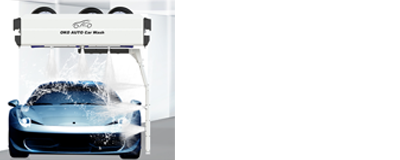
A fully automatic car washing machine is a self-contained system that completes the entire wash cycle without human intervention. From the moment a vehicle pulls in to the moment it exits, the machine handles everything—applying detergent, rinsing, coating, and drying—using a pre-programmed sequence controlled by a PLC (Programmable Logic Controller).
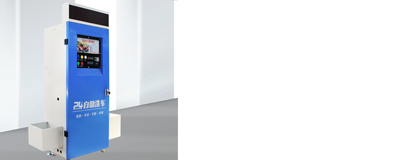
Unlike semi-automatic systems that require an operator to manage individual steps, fully automatic machines run on preset wash programs. Many modern models, like the OKO-300B, also support unmanned 24-hour operation, which dramatically reduces staffing costs while increasing throughput.
These machines are used across a range of settings: standalone car wash stations, petrol station forecourts, fleet maintenance facilities, and commercial vehicle depots.
Most fully automatic car wash machines follow a multi-stage wash process. Here's a breakdown of the typical sequence:
Stage | Process | Purpose |
|---|---|---|
1 | High-pressure chassis flush | Removes road grime, mud, and salt from the undercarriage |
2 | Car wash liquid spray | Loosens surface dirt before rinsing |
3 | Shampoo application | Applies maintenance foam for paint protection |
4 | 360° high-pressure rinse | Delivers an all-round, touchless clean using fan-shaped water jets |
5 | Bright colored coating | Applies a polymer film to protect paint from UV rays and acid rain |
6 | Embedded quick-dry system | Uses high-pressure air jets to remove remaining water |
Each stage is managed by the machine's control system, which monitors water pressure, chemical levels, and vehicle positioning in real time. Smart collision prevention sensors ensure the equipment never makes contact with the vehicle body, protecting both the car and the machine.
Not all automatic car wash machines are built the same. Here are the key features worth evaluating before making a purchase:
Smart collision prevention. Mechanical and electronic anti-collision systems protect vehicles during the wash cycle. This is especially important for high-end or oversized vehicles.
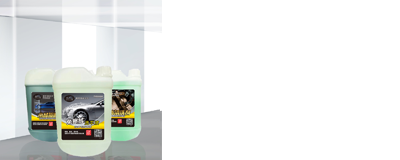
Automatic chemical proportioning. A smart liquid proportioning system manages the ratio of detergents, waxes, and coating agents automatically. This reduces waste and ensures consistent wash quality across every cycle.
Energy-saving and frequency conversion systems. These features regulate motor speed based on demand, cutting power consumption without compromising wash performance.
Fault self-diagnosis. A built-in fault detection system alerts operators to issues before they escalate. Common alerts include water shortage warnings, low chemical levels, and equipment errors.
Flexible payment integration. For unmanned operations, optional modules for mobile payment (such as WeChat Pay or Alipay) and license plate recognition make self-service transactions seamless.
Wash program flexibility. Look for machines that offer multiple wash modes—quick washes for lightly soiled vehicles and deeper maintenance cycles for cars that haven't been cleaned in over two weeks.

Wash Mode | Duration | Best For |
|---|---|---|
Standard Wash | 4–6 minutes | Cars washed within the past week; light soiling |
Integration of Wash and Maintenance | 6–8 minutes | Cars with heavier sediment buildup; includes coating for paint care |
The standard wash is well-suited to high-volume operations where speed matters. The maintenance mode is the better choice for customers who want a thorough clean combined with paint protection—coating and cleaning happen simultaneously, making it an efficient option for paint care.
For buyers researching a fully automatic car wash machine for sale, the OKO-300B offers a solid benchmark for what commercial-grade equipment looks like in practice.
Specification | Details |
|---|---|
Model | OKO-200B |
Brand | OKO |
Power supply | 380V / 7.5KW |
Flushing pressure | 50–100 kg |
Water consumption per wash | 90–200 litres |
Installation dimensions (L×W×H) | 6.3m × 3.2m × 3.2m |
Vehicle backing space required | 7m × 4m × 3.3m |
Vehicle pass-through space required | 8m × 6m × 3.3m |
Machine room area required | 2m × 3m |
Water pump | PINEL (Germany) |
Relay & AC contactor | Schneider (France) |
Guarantee | 1 year |
Installation | Remote instruction |
The OKO-300B uses components sourced from established European manufacturers—Schneider electrical parts from France and PINEL water pumps from Germany—which contributes to its reliability and long service life. The PLC and wash control program are developed in-house by OKO.
Two site layouts are available: an exit pattern (4m × 9m) and a pass-through pattern (4m × 6.5m), giving operators flexibility based on their available footprint.
Beyond the standard feature set, the OKO-300B supports several optional upgrades that expand its functionality:
Optional Feature | Benefit |
|---|---|
Mobile air drying unit | Improves drying performance for high-demand sites |
WeChat / Alipay payment integration | Enables cashless self-service transactions |
Smart license plate recognition | Automates payment using vehicle identification |
These add-ons are particularly valuable for unmanned operations, where minimizing manual touchpoints reduces overhead and speeds up customer throughput.
Before purchasing an automatic car wash machine, site preparation is essential. Here's what you'll need to have in place:
Electrical supply. Three-phase power at 7.5KW with a three-phase four-wire leakage protection switch rated at 100A. The ground wire resistance must be below 4Ω.
Water supply. Six water inlet pipes feeding into the machine room.
Air supply. A 3KW air compressor is required on-site.
Machine room. A dedicated space of at least 2m × 3m is needed to house the control systems and chemical reservoirs.
A few additional installation notes: OKO's standard wiring runs to 10 metres. If the machine room is located further from the equipment, extended wiring costs approximately $40 per metre. If the site is configured for pass-through vehicle flow rather than a reverse-exit layout, an additional $70 applies to cover the extra sensors, control circuits, and mounting hardware required.
The answer depends on your volume expectations, site layout, and operational model.
For businesses that wash high volumes of vehicles daily, a fully automatic machine pays for itself quickly through labor savings and faster cycle times. The 24-hour unmanned capability means you can serve customers outside of standard business hours without any additional staffing.
Smaller operations with limited footprints may find that a single-arm model or self-service setup suits them better—OKO's product range includes several options at different scales, from compact units to full tunnel systems designed for buses and trucks.
That said, if you're running—or planning to run—a commercial car wash with consistent demand, a fully automatic car washing machine offers the most scalable path forward. The combination of smart controls, multi-stage wash programs, and optional unmanned payment systems puts a high-throughput, low-labor operation well within reach.
To explore the OKO-300B in detail or inquire about pricing, visit the OKO-300B product page or contact the OKO team directly.


Add