Views: 1 Author: Site Editor Publish Time: 2026-10-26 Origin: Site


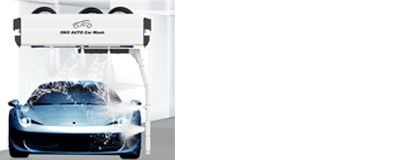
A fully automatic car wash machine cleans vehicles through a preset, computer-controlled sequence — chassis flushing, foam application, high-pressure brushing, coating, and drying — with little to no manual labor. Models like the OKO400B can wash a car in 4-8 minutes, operate 24/7, and run unmanned, making them a popular choice for car wash operators, auto spas, and dealerships looking to cut labor costs while increasing throughput.
Running a car wash business today means balancing speed, water usage, and customer expectations. Drivers want a spotless car in minutes, not an hour-long wait in line. That's exactly the gap fully automatic car wash machines are built to close.
Unlike manual bays or basic brush-and-rinse setups, a fully automatic system handles the entire wash cycle on its own. Sensors detect the vehicle, mechanical arms adjust their position, and a PLC controller manages each stage of the process — from the first rinse to the final dry. For operators, that means fewer staff on-site, more consistent results, and the ability to run a car wash around the clock.
This guide breaks down how fully automatic car wash machines work, what to look for when sourcing one, and why a growing number of operators are turning to Chinese manufacturers like OKO for this equipment. Whether you're planning your first auto spa or expanding a chain of automatic car washes near you, this guide will help you make a more informed decision.
A fully automatic car wash machine is equipment that completes an entire vehicle wash cycle without a human operator physically scrubbing or guiding the process. The vehicle either drives through a tunnel system or sits in a bay while robotic arms and brushes move around it.
These machines typically combine several technologies:
High-pressure water jets for chassis and body cleaning
Foam or shampoo applicators for pre-soak and maintenance washes
Rotating brushes or touchless spray arms
Coating and wax application systems
Rapid air-drying units
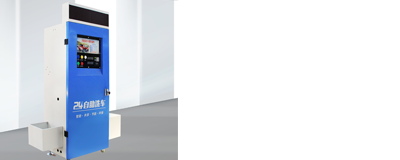
Smart payment integration (WeChat, Alipay, or license plate recognition)
Because the entire cycle is automated, these systems are the backbone of most modern automatic car washes near me searches — the kind of quick, hands-off service drivers expect at a gas station, dealership, or standalone car wash.
Most fully automatic systems follow a similar washing sequence, regardless of manufacturer. Using the OKO400B Tunnel Through Car Washing Machine as a reference point, a typical cycle looks like this:
High-pressure chassis cleaning. Fan-shaped water jets remove dirt and corrosive residue (like snow-melting agents) from the undercarriage before it causes rust.
Energy-saving spray of car wash liquid. A small mechanical arm applies atomized, brush-free cleaning liquid to loosen dirt without excess water use.
360-degree shampoo spraying. Foam shampoo is applied evenly across the body to protect the paint surface during the wash.
High-pressure brushing and polishing. Spraying arms clean the vehicle at equal velocity, distance, and pressure for a streak-free finish.
Coating application. A polymer-based coating forms a protective film against acid rain, pollution, and UV rays.
Quick-dry system. High-pressure, low-power fans dry the vehicle in sections for efficient results.
Collision prevention. Sensors and mechanical safeguards protect both the vehicle and the machine during the cycle.
Smart liquid proportioning. The system automatically mixes car wash liquid, coating wax, and other chemicals without manual dosing.
24-hour unmanned operation. The entire process can run without staff present, based on presets chosen by the business owner.
A standard wash cycle (for vehicles washed within the past week) typically takes 4-6 minutes. A maintenance wash, which includes cleaning and coating for vehicles with heavier dirt buildup, takes closer to 6-8 minutes.
Because the machine handles washing, drying, and coating without an attendant, operators can run a profitable car wash with minimal staff on-site. This is a major draw for owners comparing auto car wash machine options against traditional hand-wash labor models.
Automated arms apply water, shampoo, and coating at a fixed velocity, pressure, and distance every time. That consistency is hard to replicate with manual labor, especially during high-traffic hours.
Systems like the OKO400B separate high-pressure water from brush-free car wash liquid, reducing chemical waste. Automatic proportioning also means the right mix is used every cycle, cutting down on over-application.
Unmanned car wash machines can run around the clock, which matters for operators trying to capture customers outside standard business hours.
Electronic and mechanical collision avoidance systems protect vehicles as they move through the tunnel, reducing liability for the business owner.
If you're sourcing equipment — whether that's a China fully automatic car wash machine or a system from another region — pay close attention to the technical specifications. Below is a breakdown based on the OKO400B Tunnel Through Car Washing Machine, a model designed for drive-through installations.
Specification | Detail |
|---|---|
Model | OKO-400B |
Power requirement | 380V / 11KW |
Water pump | PINEL (Germany) |
Relay & AC contactor | Schneider (France) |
Flushing pressure | 50-100 kg |
Water consumption per wash | 90-200L |
Standard wash time | 4-6 minutes |
Maintenance wash time | 6-8 minutes |
Installation dimensions (L×W×H) | 6.3m × 3.2m × 3.2m |
Vehicle pass-through space | 8m × 6m × 3.3m |
Warranty | 1 year |
Optional add-ons | Smart payment (WeChat/Alipay), license plate recognition |
Checking specs like these against your available space, water supply, and electrical capacity will help you avoid costly installation surprises later.

Choose a tunnel-style fully automatic machine if you expect high vehicle volume and have the physical space for a drive-through or pass-through layout — these setups process more cars per hour than single-bay systems. Choose a compact self-service or single-bay automatic machine if space is limited or if you want to offer customers a hybrid of automation and personal control over their wash.
Beyond the wash cycle itself, consider these factors:
Component sourcing. Machines built with established industrial brands (such as German or French-made pumps and electrical components) tend to have better durability and easier part replacement.
Water recycling capability. Systems that support wastewater recycling reduce both cost and environmental impact over time.
Remote installation support. Some manufacturers, including OKO, offer remote installation instruction, which can simplify setup if an on-site technician isn't available.
Scalability of payment options. Smart payment integration (mobile wallets, license plate recognition) reduces staffing needs even further and speeds up the customer experience.
A fully automatic car wash machine isn't just a piece of equipment — it's the foundation of how efficiently your car wash business runs day to day. Before purchasing, map out your available space against the machine's installation and pass-through requirements, confirm your site's power and water capacity, and decide whether a tunnel or single-bay system fits your expected vehicle volume.
From there, request detailed specifications from manufacturers, compare warranty terms, and ask about remote support or installation guidance. Getting these details right upfront will save time, money, and operational headaches once the machine is running.
How much does a fully automatic car wash machine cost?
Pricing varies widely based on the manufacturer, machine type (tunnel vs. single-bay), and optional features like smart payment or license plate recognition. Extended wiring, direct pass-through installation, and other site-specific needs can also add to the base cost, so it's best to request a detailed quote from the supplier.
How long does a wash cycle take?
A standard wash cycle typically takes 4-6 minutes, while a maintenance wash — which includes additional cleaning and coating for dirtier vehicles — takes 6-8 minutes.
Can a fully automatic car wash machine run without staff?
Yes. Many systems, including the OKO400B, are designed for 24-hour unmanned operation using preset wash programs, smart payment integration, and automated safety features.
What's the difference between a tunnel system and a self-service machine?
A tunnel system moves the vehicle through a fixed washing sequence with no driver input needed, making it ideal for high-volume locations. A self-service machine gives customers more control over the wash process and usually requires less installation space.
Who are fully automatic car wash machines best suited for?
These machines work well for car wash operators, auto spas, and dealerships that want to reduce labor costs, increase throughput, and offer a consistent wash experience. Businesses in high-traffic areas or those aiming for 24/7 service see the most benefit.


Add