Views: 1 Author: Site Editor Publish Time: 2026-11-10 Origin: Site


Starting or upgrading a car wash business means navigating a crowded market of auto car wash equipment, each promising faster cycles, cleaner finishes, and lower water bills. The right choice depends on more than price tags. It hinges on your location, customer volume, and how much automation you want to manage.
This guide breaks down the types of modern car washing machines available today, what drives automatic car wash machine price, and how to evaluate a self-service car wash for sale against a fully automated setup. Whether you're outfitting a single-bay operation or scaling a multi-location franchise, understanding these distinctions will save you from costly missteps.
The car wash industry has moved well beyond simple brush-and-hose setups. Today's equipment falls into a few broad categories, each suited to different business models and customer expectations.
Automatic touchless car wash machines use high-pressure water jets and specialized detergents instead of physical brushes to clean a vehicle's surface. This approach appeals to owners of luxury or newer vehicles who worry about paint scratches from rotating brushes. Touchless systems typically rely on sensors to map a car's contours, adjusting spray patterns in real time.
The tradeoff is cleaning power. Touchless systems can struggle with heavy mud or baked-on grime compared to friction-based systems, so they tend to suit regions with moderate dirt levels rather than off-road or agricultural markets.
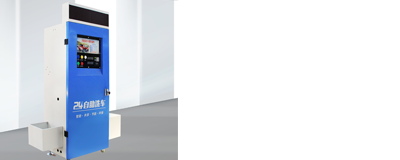
A self-service car wash machine puts the customer in control. Coin- or card-operated bays let drivers choose their own wash cycle, from pre-soak to wax, using a wand or brush themselves. This model requires less staffing and lower upfront investment than a full automatic tunnel, making it a popular entry point for new operators evaluating a self-service car wash for sale.
Self-service setups also tend to have lower maintenance costs since they involve fewer moving automated parts. The main revenue ceiling comes from throughput. Each bay can only serve one car at a time, so volume is capped by the number of bays you install.
Full automatic systems, including single-arm robotic washers and conveyor tunnels, handle the entire wash process without customer involvement. These systems represent the highest end of car wash machine for sale listings and are designed for high-traffic locations like gas stations, dealerships, and dedicated wash centers.
Single-arm automatic machines use a robotic arm equipped with brushes or touchless nozzles that move around a stationary vehicle, cleaning it in a fixed footprint. This design suits locations with limited space compared to a conveyor tunnel, which requires a longer physical layout but can process more vehicles per hour.
Automatic car wash machine price varies widely based on automation level, build quality, and included features like water reclamation or dryer systems. Below is a general breakdown to help frame your budget expectations.
Equipment Type | Typical Price Range (USD) | Best For |
|---|---|---|
Self-service wash bay (per bay) | $15,000 – $40,000 | Low-traffic locations, new operators |
Touchless single-arm automatic | $60,000 – $120,000 | Space-constrained sites, luxury vehicle markets |
Friction-based single-arm automatic | $50,000 – $100,000 | General-purpose washing, moderate dirt levels |
Conveyor tunnel system | $150,000 – $400,000+ | High-volume commercial operations |
These figures reflect equipment costs alone and typically exclude installation, plumbing, water treatment systems, and building construction, which can add significant costs depending on your site conditions. Buyers researching auto car wash machine price should always request a full quote that separates equipment, shipping, and installation line items, since bundled pricing can obscure the true cost of ownership.
Single-arm automatic machines generally require less floor space than conveyor tunnels, making them a practical choice for retrofitting an existing gas station or small commercial lot. If your site has room for a longer linear layout, a tunnel system can process more cars per hour, improving your revenue per square foot over time.
Choose a self-service model if your market has lower car wash demand or you're testing a new location before committing to full automation. Choose a fully automatic system if you're in a high-traffic area and customers expect speed and convenience over hands-on control.
Water usage regulations vary by municipality, and modern car washing machine systems increasingly include reclaim systems that filter and reuse wash water. This feature can meaningfully lower operating costs and may be a factor in whether your location can obtain the necessary permits.
Automatic systems, particularly touchless and robotic arm washers, involve sensors, pumps, and moving parts that require regular servicing. Before purchasing, confirm what warranty coverage, replacement part availability, and technical support the manufacturer provides, since downtime on a single-arm automatic machine can directly halt revenue at smaller operations with only one wash bay.
Choosing between a self-service car wash machine and a full automatic system isn't just a budget decision. It's a bet on how your local market behaves, how much space you have, and how much operational control you want day to day. Smaller operators testing demand often start with self-service bays before reinvesting profits into automatic touchless or friction-based systems as volume grows.
Before signing any purchase agreement, request detailed specifications, warranty terms, and references from existing customers of the manufacturer you're considering. Comparing multiple quotes side by side, rather than focusing on the lowest sticker price, will give you a clearer picture of long-term value across installation, maintenance, and water costs.

How much does a self-service car wash machine typically cost?
Self-service car wash bays generally range from $15,000 to $40,000 per bay, not including plumbing, construction, or water treatment systems required for a functioning site.
Is a touchless or friction-based automatic car wash better?
Touchless systems are gentler on paint and suit newer or luxury vehicles, while friction-based systems clean more aggressively and work better in regions with heavy dirt or mud. The right choice depends on your target customer base and local driving conditions.
How long does it take to install an automatic car wash machine?
Installation timelines vary by system complexity, but single-arm automatic machines typically require weeks rather than months, while full conveyor tunnel systems can take longer due to the additional plumbing and structural work involved.
What are the main risks of buying used car wash equipment?
Used equipment can lower upfront costs, but buyers should verify remaining warranty coverage, part availability, and the machine's maintenance history before purchasing, since older systems may lack manufacturer support for repairs.
Who should choose a self-service model over a fully automatic system?
New operators testing an unproven location, or those with limited startup capital, are typically better suited to self-service car wash machines, while established high-traffic sites benefit more from the speed and consistency of fully automatic systems.


Add