Views: 3 Author: Site Editor Publish Time: 2026-06-17 Origin: Site


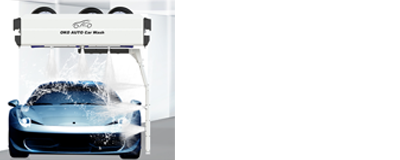
A fully automatic car washing machine uses programmable computer systems, high pressure car wash equipment, and smart sensors to clean vehicles without manual labor. Modern systems, like the OKO contactless machines, offer 360-degree spraying, automatic chemical proportioning, and embedded drying to maximize efficiency and protect vehicle paint.
Running a profitable car wash business requires speed, consistency, and exceptional results. Customers expect their vehicles to look pristine in a matter of minutes, while business owners need equipment that minimizes overhead and labor costs. Achieving both goals simultaneously used to be a major challenge for operators.
Today, advanced technology has completely transformed the vehicle cleaning industry. Operators no longer need to rely on unpredictable manual labor or outdated systems that risk damaging a customer's paint job. Instead, businesses are turning to smart, automated solutions that operate flawlessly around the clock.
This guide explores how high pressure car wash equipment works, why touchless systems are gaining popularity, and how you can select the right machinery to scale your vehicle cleaning operation. You will learn about the precise mechanics of these systems and see a direct comparison of top-tier models currently available on the market.
Investing in a modern car washing machine allows business owners to drastically reduce their reliance on manual labor while increasing the daily volume of vehicles processed. Traditional hand-washing requires a large staff, constant supervision, and significant time per vehicle. Automated systems resolve these bottlenecks immediately.
A fully automatic car washing machine operates continuously without fatigue. These machines use precision sensors to measure the exact dimensions of a vehicle, ensuring every surface receives an even application of water, soap, and protective coatings. This consistency builds customer loyalty, as drivers know exactly what level of quality to expect every time they visit your facility.
Furthermore, advanced models include energy-saving and variable frequency systems. These features optimize water and electricity consumption per wash, directly improving your overall profit margins.
High pressure car wash equipment utilizes heavy-duty water pumps—such as those manufactured by the German brand PINEL—to force water through specialized nozzles at pressures ranging from 30 to 100 kilograms. This intense mechanical force dislodges stubborn dirt, mud, and road salt from the vehicle's surface.
To maximize cleaning power without physical brushes, these machines utilize a 360-degree smart rotating spray arm. The mechanical arm moves at an equal velocity and distance around the vehicle, delivering a fan-shaped water medium that essentially polishes the car body as it cleans.
Contactless, or touchless, car wash systems clean vehicles using only high-pressure water and specialized chemical detergents. Because no physical brushes touch the vehicle, the risk of scratching the paint or damaging external accessories like mirrors and antennas is virtually eliminated.
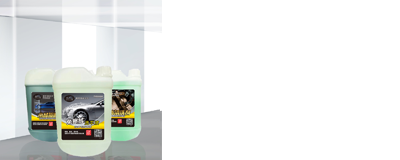
Additionally, these machines feature automated liquid proportioning systems. These built-in chemical laboratories automatically mix the perfect ratio of brushing-free car wash liquid, maintenance shampoo, and water-expelling wax. This guarantees optimal cleaning performance while eliminating manual chemical handling and reducing product waste.
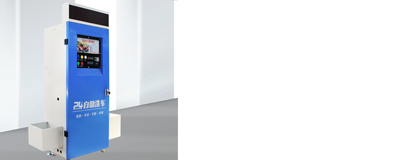
Choosing the right equipment depends heavily on your specific site dimensions, budget, and required wash volume. KAIPING OKO ELECTRONICS TECHNOLOGY CO., LTD offers several contactless intelligent car washing machines designed for 24-hour unmanned operation.
Below is a comparison table detailing the specifications of three popular OKO models.
Specification | OKO-100B | OKO-300B | OKO-400C |
|---|---|---|---|
Usage Voltage / Power | 380V / 11KW | 380V / 7.5KW | 380V / 11KW |
Flushing Pressure | 50-100 kg | 30-50 kg | 50-100 kg |
Water Consumption | 90-200L | 90-200L | 90-200L |
Chassis Flushing | Yes (Standard) | Yes (Standard) | Fixed chassis flushing |
Air Drying | Mobile (Optional) | Mobile (Optional) | Fixed (Optional) |
Installation Dimensions | 6.3m x 3.2m x 3.2m | 6.3m x 3.2m x 3.2m | 6.3m x 3.2m x 3.2m |
Major Components | PINEL pump, Schneider relays | PINEL pump, Schneider relays | PINEL pump, Schneider relays |
Modern automated car washes incorporate several distinct processes to deliver a premium finish. Understanding these features helps operators market their services effectively to end consumers.
Dirt and snow-melting chemicals easily accumulate on a vehicle's undercarriage, leading to severe rust over time. Advanced machines use a strong, fan-shaped water blast aimed upward from the floor to thoroughly brush dirt away from the chassis before the main wash begins.
High-end machines offer specialized coating stages. The equipment covers the car's paint with high molecular polymer water. This mixture cures into a solid protective film, shielding the vehicle from ultraviolet rays, acid rain, and environmental pollutants.
Drying a vehicle quickly prevents unsightly water spots. Modern systems feature high-pressure fans that deliver oriented jet flows. These fans utilize high wind speeds to sheer water off the vehicle rapidly, offering the best balance between drying effectiveness and energy consumption.
Safety is a critical factor for unmanned systems. Intelligent car wash devices feature electronic and mechanical collision avoidance protocols. If a vehicle is parked incorrectly or a person steps into the wash bay, sensors immediately halt the mechanical arm to prevent damage or injury.
Selecting the proper equipment requires careful evaluation of your available infrastructure. You must measure your facility's exit pattern and pass-through pattern dimensions carefully. For example, OKO systems typically require a vehicle backing space of 7m x 4m x 3.3m or a pass-through space of 8m x 6m x 3.3m.
You should also review your utility connections. High-performance machines require robust three-phase electricity and dedicated water inlet pipes. Finally, consider your target demographic. If your customers prioritize quick, budget-friendly washes, a lower-pressure model like the OKO-300B might suffice. If you cater to luxury vehicle owners who demand premium paint protection, investing in a high-pressure model with bright colored coating capabilities will yield a much higher return on investment.
Transitioning from manual operations to an automated system is a major milestone for any vehicle cleaning business. By integrating high-quality equipment equipped with smart sensors, advanced proportioning, and high-pressure pumps, you set your business up for sustainable growth and unparalleled customer satisfaction.
Start by evaluating your current site dimensions, assessing your available utilities, and contacting an equipment manufacturer to discuss a tailored installation plan.
The cost per wash depends heavily on local utility rates and the specific chemical mix used. However, because automated systems use precise liquid proportioning and frequency conversion for energy savings, they typically use between 90 and 200 liters of water per vehicle, keeping per-wash operational costs very low compared to manual labor.
A touchless system is ideal for business owners operating 24-hour unmanned wash stations and customers who are highly protective of their vehicle's clear coat. Choose a contactless system if preventing surface scratches matters more to your customer base than aggressive physical scrubbing.
Most modern automated systems require a dedicated machine room of at least 2 by 3 meters. Your facility will also need a three-phase power supply (usually 7.5KW to 11KW), an industrial air compressor, and proper floor drainage systems to handle continuous water runoff.
The primary risk of an unmanned wash is a customer positioning their vehicle incorrectly, which could cause a collision with the moving machinery. To mitigate this risk, modern systems use electronic anti-collision sensors and fault self-testing features that automatically stop the machine if an obstruction is detected.
Yes, operators can choose friction-based rollover systems (which use soft foam brushes) or self-service wand bays. Choose a friction system if you need to remove heavy layers of baked-on mud, or a self-service bay if you want to minimize your upfront equipment investment.


Add