Views: 15 Author: Site Editor Publish Time: 2025-11-20 Origin: Site


The car wash industry is undergoing a significant transformation, moving from manual labor to automated, intelligent systems. At the forefront of this evolution is the smart car wash machine, a technology that promises not only a cleaner car but also a more efficient and profitable business model for owners.
But what exactly makes a car wash machine "smart"? These advanced systems integrate cutting-edge technology like sensors, AI, and robotics to deliver a customized, efficient, and high-quality wash with minimal human intervention. They represent a major leap forward, offering compelling advantages for both customers and operators.
This guide will explore the world of smart car wash machines. We'll break down what they are, examine the different types available, weigh their pros and cons, and provide a clear roadmap for anyone considering this investment for their business.
A smart car wash machine is an automated system that uses a network of sensors, software, and mechanical components to wash vehicles. Unlike traditional automatic car washes that follow a one-size-fits-all sequence, a smart system can analyze a vehicle's size and shape to tailor the washing process. This ensures a thorough clean while conserving resources like water and detergent.
Key components often include:
Vehicle Profiling Sensors: Using ultrasonic, laser, or infrared sensors, the machine creates a 3D model of the vehicle.
Intelligent Control System: A central computer processes sensor data to control the movement of brushes, water jets, and dryers.
Water Reclamation Systems: Many smart car washes include systems that filter and reuse water, significantly reducing environmental impact and operational costs.
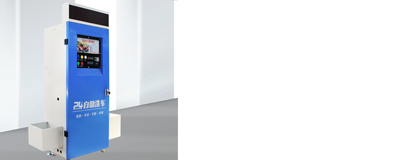
Automated Payment and Entry: Customers can often pay and start the wash process through a mobile app or a self-service kiosk, creating a seamless experience.
The integration of these technologies allows the machine to optimize every step of the wash, from pre-soaking and brushing to rinsing and drying, for maximum efficiency and effectiveness.
Smart car wash technology can be found in several common car wash formats. The primary distinction between them lies in how the vehicle and the washing equipment interact.
Machine Type | How It Works | Best For |
|---|---|---|
Rollover/In-Bay | The vehicle remains stationary while the machine (on a gantry) moves back and forth over it to perform the wash. | Gas stations, convenience stores, and locations with limited space. |
Tunnel/Conveyor | The vehicle is placed on a conveyor belt and pulled through a long tunnel with a series of fixed washing stations. | High-volume, dedicated car wash locations where speed is a top priority. |
Touchless | Uses high-pressure water jets and strong detergents to clean the vehicle without any physical contact from brushes. | Customers with delicate paint jobs or those who prefer a non-contact wash. |
Rollover systems are a popular choice for businesses looking to add a car wash service without a massive footprint. The entire wash cycle is performed by a single unit that travels over a parked car. Smart rollover machines use sensors to map the vehicle's contours, ensuring that brushes and high-pressure jets maintain a safe and optimal distance. This precision prevents damage and guarantees that all areas, from the roof to the rocker panels, receive proper attention.
For dedicated, high-volume car washes, the tunnel system is king. A conveyor moves cars through a series of specialized modules, each performing a specific task like applying soap, scrubbing with brushes, rinsing, and drying. In a smart tunnel system, sensors at the entrance scan each vehicle. This data is then used to adjust the speed of the conveyor and activate specific modules as needed. For example, a taller SUV might trigger overhead brushes to lower, while a smaller car might not. This customization ensures a consistent, high-quality wash for every vehicle that passes through.
Touchless car washes are designed for customers who are wary of brushes scratching their car's paint. These systems rely exclusively on high-pressure water and chemical solutions to clean the vehicle. Smart touchless machines excel by using sensors to determine the vehicle's size and shape, allowing them to direct water jets with precision. This ensures that cleaning agents and high-pressure water are concentrated where they are needed most, effectively removing dirt and grime without any physical contact.

For business owners, the move to a smart car wash machine is more than just a technological upgrade; it's a strategic investment with tangible benefits.
Smart car washes are designed for speed. By automating the entire process and optimizing the wash cycle for each vehicle, these machines can significantly increase throughput. A smart tunnel system, for example, can wash hundreds of cars per day, far more than a manual operation. This efficiency translates directly into higher revenue potential, especially during peak hours.
While the initial investment is higher, smart car washes lead to lower long-term operational costs.
◆Labor Savings: Automation dramatically reduces the need for manual labor. A single employee can often oversee the entire operation, managing payments and addressing any customer issues.
◆Resource Conservation: Smart systems use precise amounts of water and cleaning chemicals, minimizing waste. Many also incorporate advanced water recycling technology that can reclaim up to 80% of the water used, leading to substantial savings on utility bills.
◆Lower Maintenance: Built with durable materials and fewer moving parts than older models, smart machines often require less maintenance and have a longer operational lifespan.
Human error is eliminated from the wash process. A smart car wash machine delivers a consistent, high-quality result every single time. The system's ability to adapt to different vehicle shapes ensures a thorough cleaning that manual washing or older automated systems often can't match. This reliability builds customer trust and encourages repeat business.
Modern customers value convenience. Smart car wash systems offer a seamless, user-friendly experience with features like mobile app integration, contactless payments, and subscription models. The speed and quality of the wash also contribute to higher customer satisfaction. A happy customer is more likely to become a loyal one.
Despite the numerous advantages, there are a few challenges to consider before investing in a smart car wash machine.
The primary barrier to entry is the upfront cost. A new, fully-equipped smart car wash system can be a significant capital expenditure. Financing options are available, but businesses must carefully project their return on investment to ensure the purchase is financially viable.
While generally reliable, these complex machines require specialized maintenance. If a sensor fails or a software glitch occurs, you'll need a technician with the right expertise to diagnose and fix the problem. Establishing a relationship with a reliable service provider is crucial to minimize downtime.
Although smart systems are adaptable, they can sometimes struggle with heavily modified vehicles or those with unusual attachments like large roof racks or oversized spoilers. In these rare cases, the system may not be able to provide a perfect wash, or it might require manual intervention to avoid potential damage.
Investing in a smart car wash machine is a strategic move that aligns your business with the future of the industry. These systems offer unparalleled efficiency, reduce long-term costs, and deliver a superior customer experience that builds loyalty. While the initial investment is significant, the potential for higher revenue and greater profitability makes it a compelling option for forward-thinking entrepreneurs.
By carefully evaluating the different types of machines and understanding the benefits and challenges, you can make an informed decision that positions your car wash business for success in an increasingly automated world.


Add