Views: 1 Author: Site Editor Publish Time: 2026-11-04 Origin: Site


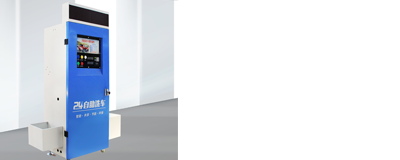
A self service car wash lets customers wash their own vehicles using coin- or app-operated high pressure car wash equipment, typically costing less to run than full-service tunnels. The best self service car wash machines combine durable pumps, automatic liquid proportioning, and low water consumption. China-based manufacturers, including companies like OKO, produce self service and automatic car wash machines for sale to operators worldwide.
Opening a car wash business comes down to one critical decision: which equipment will keep customers coming back while keeping your operating costs under control? For many entrepreneurs, a self service car wash model offers the sweet spot between affordability and customer convenience. Unlike full-service tunnels that require staff on-site around the clock, self service bays let customers do the work themselves, using coin-operated or app-based high pressure car wash equipment.
This guide breaks down what makes a self service car wash machine worth the investment, what to look for when sourcing equipment, and how manufacturers in China have become a go-to source for operators seeking reliable, cost-effective machines.
A self service car wash is a facility where customers pay to wash their own vehicles using machine-dispensed water, soap, and wax, usually through a wand-and-bay setup. Instead of relying on staff to handle the washing process, the self service car wash machine handles liquid proportioning, water pressure, and payment collection automatically.
Most self service car wash bays include:
A coin or card-operated control panel
High pressure car wash equipment for rinsing and washing
Separate dispensers for soap, wax, and rinse
Vacuum stations (often sold separately or bundled)
Because customers handle the physical washing themselves, operators save significantly on labor costs. The tradeoff is a slightly longer wash time for the customer, but many drivers prefer the lower price point and the ability to control exactly how their car gets cleaned.
Self service car washes have grown steadily because they solve a cost problem for both operators and customers. Operators avoid the overhead of full-time staff, while customers pay less per wash than they would at a full-service location.
A handful of trends have accelerated this shift:
Lower startup costs than automatic tunnels. A self service bay requires less square footage and fewer moving parts than a fully automatic tunnel system.
24-hour availability. Many self service car wash machines operate unattended, letting customers wash their cars any time of day.
Rising demand for touchless options. Touchless, high pressure washing reduces the risk of paint damage compared to brush-based systems, which appeals to car owners with newer vehicles.
Lower water waste with modern recycling systems. Many newer machines include water reclamation features that cut water consumption per wash.
If you're comparing self service car wash machine for sale options, the equipment specs matter just as much as the price tag. Choose equipment built for durability if your location sees high daily traffic, and choose energy-efficient models if your main concern is utility costs.
Key factors to evaluate include:
Feature | Why it matters |
|---|---|
Water pressure range | Higher pressure (50-100 kg) cleans more effectively but requires stronger pumps |
Water consumption per wash | Lower consumption (90-200L) reduces utility costs over time |
Power requirements | Match your facility's electrical capacity (e.g., 380V/7.5KW) to avoid costly upgrades |
Automatic liquid proportioning | Reduces manual refilling and keeps wash quality consistent |
Alarm systems | Water shortage and low-liquid alarms prevent downtime and equipment damage |
Payment integration | Smart payment options (WeChat, Alipay, card readers) streamline customer transactions |
Warranty and support | A one-year guarantee with remote installation support reduces long-term risk |
Choose a machine with automatic proportioning and alarm systems if minimizing on-site maintenance visits matters more than upfront cost. Choose a simpler, manually adjusted system if your budget is tighter and you have staff available for occasional monitoring.
China has become a major hub for manufacturing self service car wash equipment, largely because manufacturers there combine lower production costs with access to globally sourced components. It's common to see China self service car wash manufacturers build machines using parts from established international brands, pairing affordability with recognized component reliability.
For example, OKO, a car wash equipment company founded in 2019 and based in Guangdong Province, China, builds automatic and self-service product lines using water pumps from PINEL (Germany) and electrical components from Schneider (France). OKO's product lineup also follows what the company describes as European quality standards during production and acceptance testing.
It's worth noting that not every machine from a given manufacturer is a self service unit. Some product lines, like OKO's 200A model, are built as fully automatic, unmanned car wash systems rather than self service bays. When comparing options, operators should confirm with manufacturers whether a specific model is designed for self service operation or full automation, since the two systems serve different business models and customer experiences.
High pressure car wash equipment relies on strong water pumps to remove dirt without physical brushing, which reduces the risk of scratching a vehicle's paint. Pressure ratings commonly range from 50 to 100 kg depending on the machine, with higher pressure generally delivering faster, more thorough cleaning.
Beyond raw pressure, effective systems typically include:
Adjustable pressure settings to accommodate different vehicle types
Chassis flushing to remove road salt and debris that can cause rust
Rotating spray patterns for even coverage across the vehicle body
Quick-drying systems using high-pressure air to reduce water spotting
Finding the best self service car wash location comes down to visibility, accessibility, and consistent equipment uptime. Customers gravitate toward locations near major roads, residential areas, or shopping centers where a quick wash fits naturally into their routine.
From an operator's perspective, "best" also means minimal downtime. Equipment with fault self-testing and remote diagnostic support helps operators catch problems before they turn into lost revenue. Look for suppliers who offer remote installation guidance and responsive technical support, since equipment downtime directly affects customer satisfaction and repeat business.
Choosing the right self service car wash machine comes down to matching equipment capabilities with your business goals: water efficiency if utility costs are a concern, automatic proportioning if reducing maintenance visits matters most, and strong payment integration if customer convenience is the priority. Request detailed specification sheets from multiple manufacturers, compare warranty terms, and ask directly whether a given model is built for self service or fully automatic operation before making a purchase decision.

How much does self service car wash equipment typically cost?
Pricing varies widely based on pressure rating, automation level, and included features like payment systems or water recycling. Operators should request itemized quotes, since add-ons like extended wiring, air compressors, or license plate recognition payment systems often carry separate charges.
How long does it take to install a self service car wash machine?
Installation timelines depend on site preparation, including machine room setup, electrical capacity, and water line access. Many manufacturers offer remote installation instruction, which can shorten the timeline compared to on-site technician visits.
What's the difference between self service and fully automatic car wash machines?
Self service machines require the customer to operate the wand and control the wash process, while fully automatic machines complete the entire wash cycle without customer involvement. Fully automatic systems, such as unmanned tunnel or rollover machines, typically cost more but require less customer effort.
Are self service car washes profitable?
Profitability depends on location, equipment uptime, and utility costs relative to wash pricing. Lower labor costs compared to full-service models often make self service car washes attractive for operators managing tighter margins.
What maintenance does self service car wash equipment require?
Routine maintenance typically includes monitoring liquid levels, checking water pressure consistency, and addressing alarm notifications for low water or chemical supply. Machines with fault self-testing features can help operators identify issues early.


Add