Views: 1 Author: Site Editor Publish Time: 2026-10-13 Origin: Site


A fully automatic car wash machine cleans vehicles without an operator manually washing each panel — sensors, brushes, and sprayers run a complete wash cycle at the push of a button. These systems are popular for commercial car wash businesses and large vehicle fleets because they clean more cars per hour than manual washing while using less water and labor.
Running a car wash business today means competing on speed, consistency, and water efficiency — and that's exactly where a fully automatic car washing machine earns its keep. Instead of relying on a team to scrub, rinse, and dry every vehicle by hand, these machines use programmed cycles, sensors, and specialized brushes to deliver a consistent clean in a few short minutes.
If you've searched for "automatic car washes near me" or started comparing a "fully automatic car wash machine for sale," you already know the market is crowded with options ranging from compact touchless units to full-scale tunnel systems. This guide breaks down how these machines work, what separates the different types, and what to consider before buying one for your business.
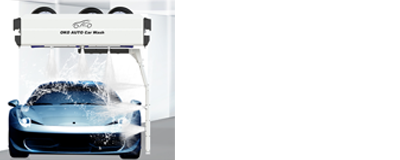
A fully automatic car wash machine is equipment designed to wash a vehicle's exterior — and sometimes interior — with minimal human involvement. Once a driver pulls into position, sensors detect the vehicle's shape and size, and the machine automatically applies soap, brushes or high-pressure water, rinses, and often finishes with drying.
Unlike semi-automatic systems, which still require an attendant to guide certain steps (like pre-soaking or spot-treating), fully automatic systems handle the entire wash cycle independently. This makes them ideal for high-traffic locations, gas stations, dealerships, and standalone car wash businesses that need to process a large volume of vehicles quickly.
Most fully automatic car wash machines follow a similar sequence, even though the technology behind each stage can vary by manufacturer:
Vehicle detection: Sensors scan the car's dimensions to calibrate brush pressure and spray angles.
Pre-soak and foam application: Chemical cleaners break down dirt, road grime, and bug residue.
Washing: Soft-touch brushes, cloth strips, or high-pressure touchless jets clean the exterior.
Rinsing: Fresh water removes soap residue.
Drying: High-powered air blowers finish the cycle, leaving the vehicle ready to drive.
Some advanced fully automatic car washing machines also include undercarriage washing, wheel-specific cleaning, and wax or sealant application as optional add-ons.

Choosing the right equipment depends on your budget, space, and the type of vehicles you expect to service. Here's a comparison of the most common types available on the market:
Type | How It Cleans | Best For | Approximate Wash Time |
|---|---|---|---|
Touchless Automatic Wash | High-pressure water jets and chemicals, no physical contact | Businesses prioritizing minimal paint contact | 3–5 minutes |
Soft-Touch (Friction) Wash | Foam brushes or cloth strips make direct contact with the vehicle | High-traffic locations needing a deep clean | 3–6 minutes |
Tunnel Car Wash System | Vehicle moves through a conveyor while multiple stations clean it | High-volume commercial operations | 2–4 minutes |
Rollover (In-Bay) Automatic | Equipment moves back and forth over a stationary vehicle | Smaller footprints, gas stations, single-bay setups | 5–8 minutes |
Each option comes with tradeoffs. Touchless systems reduce the risk of surface scratches but may not remove heavy grime as effectively. Soft-touch systems clean more thoroughly but require regular brush maintenance to avoid damaging paint. Choose a tunnel system if throughput matters more than footprint, and choose a rollover unit if space is limited but you still want full automation.
A fully automatic car washing machine can process significantly more vehicles per hour than manual labor alone, reducing the need for a large on-site team. For car wash business owners, this translates directly into lower payroll costs and more predictable operating expenses.
Automated systems apply the same pressure, chemical ratios, and timing to every vehicle, which reduces the inconsistency that comes with manual washing. Customers get a predictable clean every visit — a key factor in building repeat business.
Modern automatic car wash systems are engineered to recycle water and precisely dose cleaning chemicals, which can lower utility costs over time compared to hose-and-bucket washing.
Whether you're opening your first location or expanding a car wash chain, fully automatic machines make it easier to scale operations without proportionally scaling your workforce.
If you're evaluating a fully automatic car wash machine for sale, consider the following before making a purchase:
Vehicle compatibility: Confirm the equipment can handle the range of vehicle sizes you expect, from compact cars to SUVs and trucks.
Footprint and installation requirements: Tunnel systems need more space than rollover units, so match the equipment to your site layout.
Water and energy consumption: Ask manufacturers for data on water recycling capabilities and energy use per wash cycle.
Maintenance and support: Choose a supplier that offers accessible parts, technical support, and clear maintenance schedules, since automatic systems involve moving mechanical parts that require upkeep.
Customization options: Some fully automatic car wash machines allow add-ons like undercarriage cleaners, tire shine applicators, or express wax cycles, which can help differentiate your service from competitors.
Choose touchless equipment if minimizing paint contact is your top priority. Choose soft-touch or tunnel systems if your customer base frequently brings in heavily soiled vehicles and expects a deeper clean.
For drivers rather than business owners, finding "automatic car washes near me" is usually as simple as checking a maps app or car wash locator site, filtering by service type (touchless, soft-touch, or full-service) and reading recent reviews for cleaning quality and wait times.
A fully automatic car wash machine isn't just a convenience — it's a long-term operational investment that affects throughput, water usage, and customer satisfaction. Before purchasing equipment, map out your expected vehicle volume, available space, and budget for ongoing maintenance. Request demonstrations or site visits from equipment suppliers, and compare warranty terms closely, since these machines involve significant mechanical components that will need servicing over their lifespan.
Whether you're upgrading an existing car wash business or building one from scratch, matching the right automatic wash system to your location and customer expectations will determine how well your investment pays off.
How much does a fully automatic car wash machine cost?
Pricing varies widely based on type and capacity, with rollover units generally costing less than full tunnel systems. Get quotes from multiple suppliers, as pricing depends on features like drying power, chemical dispensing systems, and automation level.
How long does a fully automatic car wash take?
Most cycles take between two and eight minutes, depending on the machine type and whether add-on services like waxing or undercarriage cleaning are included.
Are automatic car washes safe for my vehicle's paint?
Touchless systems minimize physical contact and are generally considered gentler on paint, while soft-touch systems use cloth or foam materials designed to reduce scratching risk when properly maintained.
What's the difference between automatic and self-service car washes?
Automatic car washes handle the entire cleaning process without driver involvement, while self-service car washes require the driver to operate the wash equipment manually, typically using coin- or card-operated sprayers and brushes.
Who should consider buying a fully automatic car wash machine?
Car wash business owners, gas station operators, dealerships, and fleet managers looking to reduce labor costs and increase washing capacity are the primary buyers of fully automatic car wash equipment.


Add