Views: 1 Author: Site Editor Publish Time: 2026-11-17 Origin: Site


To maintain a car wash machine for optimal performance, clean filters and nozzles weekly, flush the water system monthly, inspect high-pressure hoses and pumps for wear, and use manufacturer-approved auto car wash products. Routine checks on water pressure, vacuum motors, and payment systems prevent downtime and extend the lifespan of both automatic and self-service car wash machines.
Running a successful car wash business depends on one thing above all else: keeping your equipment in top shape. A high pressure car wash machine that isn't properly maintained will lose suction, leak water, or stall mid-cycle — and that's the fastest way to lose customers to the competitor down the street.
Whether you operate a fully automatic car wash tunnel or a self-service bay with a machine to wash car exteriors by hand, the maintenance principles are largely the same. Regular inspection, the right auto car wash products, and a proactive repair schedule separate car wash operators who turn a profit from those who constantly fight breakdowns.
This guide breaks down exactly what to check, how often to check it, and which parts of your auto car wash machine need the most attention. We'll also look at how equipment specifications — like those found in OKO's Express Automatic Car Wash line — factor into a long-term maintenance plan.
A car wash machine is a mechanical and electrical system under constant stress. High-pressure water pumps run at elevated PSI for hours a day, vacuum motors spin continuously, and payment terminals process transactions in all weather conditions. Without scheduled maintenance, small issues — a worn O-ring, a clogged nozzle, a loose electrical connection — turn into expensive repairs or full equipment replacement.
Operators who follow a consistent maintenance routine typically see three direct benefits:
Fewer unplanned shutdowns, which protects daily revenue.
Lower long-term repair costs, since small issues get caught early.
Better wash quality, which keeps customers coming back.
Choose a strict maintenance schedule if your car wash sees high daily traffic. Lower-traffic, self-service locations can often extend intervals slightly, but should never skip inspections entirely.
Daily checks take only a few minutes but catch the issues most likely to cause customer complaints.
Inspect high-pressure hoses and guns for leaks, cracks, or kinks.
Check vacuum hoses for clogs or reduced suction.
Confirm that soap, wax, and foam reservoirs are filled with compatible auto car wash products.
Test the card reader or coin mechanism to ensure payments process correctly.
Wipe down touchscreens or control panels, which are exposed to dirt, moisture, and foam residue all day.
Weekly maintenance targets components that degrade faster under constant pressure and water exposure.
Clean or replace water filters to prevent mineral buildup from reaching the pump.
Inspect nozzles on the water gun and bubble gun for blockages, since dried soap residue restricts spray pattern.
Check water pressure output against the machine's rated specification. A pressure drop of more than 10% often signals a filter or pump issue.
Test the drainage and settlement system to confirm wastewater is clearing properly.
Lubricate moving parts on cantilever stands or mechanical arms, if your machine to wash car exteriors includes one.
Commercial high-pressure water pumps — typically ranging from 2.2kW to 3.0kW on mid-sized automatic car wash machines — should receive a full inspection monthly. During this check, operators should:
Examine seals and gaskets for wear, since pump failure is one of the most common causes of unplanned downtime.
Check motor temperature during operation; most machines are rated to function between -15°C and 55°C, and excessive heat buildup usually points to an airflow or bearing problem.
Flush the water tank and bubble chamber to remove sediment, especially in hard-water regions.
Verify that the 304 stainless steel water control valves are free of corrosion or mineral scale.
Choose monthly pump servicing if your location processes a high volume of washes daily. For lower-traffic self-service machines, a quarterly deep inspection combined with daily visual checks is usually sufficient.
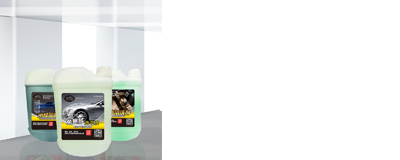
Not all cleaning chemicals are created equal, and using the wrong auto car wash products can shorten the lifespan of seals, pumps, and spray nozzles. Manufacturer-approved soaps and foams are formulated to be compatible with the machine's internal plumbing and rubber components. Harsh or incompatible chemicals can:
Corrode internal seals, leading to leaks.
Clog nozzles with residue that's harder to dissolve.
Void equipment warranties, since many manufacturers require approved product use.
Choose manufacturer-approved products if warranty coverage and long-term pump health matter most. Choose budget alternatives only if cost savings outweigh the risk of accelerated wear — a trade-off that rarely pays off over a multi-year equipment lifecycle.
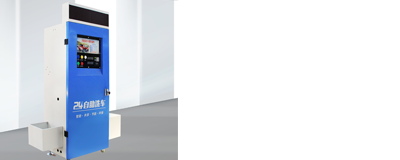
Different car wash machine models come with different maintenance demands based on their build and output. The table below compares specifications across OKO's Express Automatic Car Wash line (OK-308, OK-208, and OK-108), illustrating how factors like pump size, tank capacity, and materials influence upkeep.
Specification | OK-308 | OK-208 | OK-108 |
|---|---|---|---|
Size | 75cm x 65cm x 180cm | 75cm x 65cm x 180cm | 65cm x 60cm x 170cm |
Liquid crystal display | Yes | No | No |
Water pump | 3.0kW commercial high-pressure pump | 2.5kW commercial high-pressure pump | 2.2kW commercial high-pressure pump |
Water gun | Pure copper high-pressure kit | Pure copper high-pressure kit | Pure copper high-pressure kit |
Bubble gun | Pure copper high-pressure kit | Pure copper high-pressure kit | None |
High-pressure pipe | 12m double steel-wire pipe x2 | 12m double steel-wire pipe x2 | 12m double steel-wire pipe |
Water tank | 60L | 60L | 20L |
Bubble chamber | 60L | 60L | 20L |
Fuselage material | 1.5 galvanized sheet | 1.5 galvanized sheet | 1.5 cold-rolled plate with anti-rust paint |
Water pressure | 150kg | 130kg | 110kg |
Effective range | 8-13m | 8-13m | 8-13m |
Working temperature | -15°C to 55°C | -15°C to 55°C | -15°C to 55°C |
Machines with larger pumps and tanks, like the OK-308, support higher throughput but require more frequent filter checks due to increased water volume. Smaller units like the OK-108 are easier to maintain but have a narrower operating margin, so pressure drops are noticed — and need correcting — sooner.
Some issues go beyond routine cleaning and filter changes and require a qualified technician:
Persistent pressure loss even after filter and nozzle cleaning.
Unusual noises from the water pump or vacuum motor.
Error codes on the control display that don't clear after a restart.
Payment system malfunctions tied to the backend management software rather than the card reader itself.
Visible corrosion on stainless steel components, which can indicate water chemistry problems.
Addressing these signs early prevents a minor repair from escalating into a full pump or motor replacement.
A well-maintained car wash machine protects both your revenue and your reputation. Daily inspections catch small problems before they interrupt service, while monthly pump and motor checks extend the life of your highest-cost components. Pairing a consistent maintenance schedule with manufacturer-approved auto car wash products gives any automatic or self-service car wash the best chance at years of reliable operation.
If you're evaluating new equipment or comparing specifications like those in OKO's Express Automatic Car Wash lineup, factor maintenance requirements into your decision from the start. The right balance of pump power, tank capacity, and build material will shape how much upkeep your machine needs down the road.

How much does it cost to maintain a car wash machine?
Routine maintenance costs vary by machine size and usage, but typically include filter replacements, cleaning supplies, and periodic pump servicing. High-traffic automatic car wash machines generally cost more to maintain than smaller self-service units due to higher water and part turnover.
How long does a car wash machine maintenance check take?
Daily checks take 10-15 minutes per machine, while a full monthly pump and motor inspection can take one to two hours depending on the complexity of the unit.
What are the risks of skipping regular maintenance?
Skipping maintenance increases the risk of pump failure, reduced water pressure, nozzle clogs, and payment system errors — all of which can lead to lost revenue and costly emergency repairs.
Are there alternatives to manufacturer-approved car wash products?
Generic cleaning chemicals exist, but they can corrode seals or clog nozzles if not formulated for your specific machine. Manufacturer-approved products reduce this risk and typically preserve warranty coverage.
Who should perform car wash machine maintenance?
Daily and weekly checks can be handled by on-site staff following a basic checklist. Monthly pump servicing and any repairs involving electrical or motor components should be handled by a trained technician.
Add